 #1 pick overallOur top pick
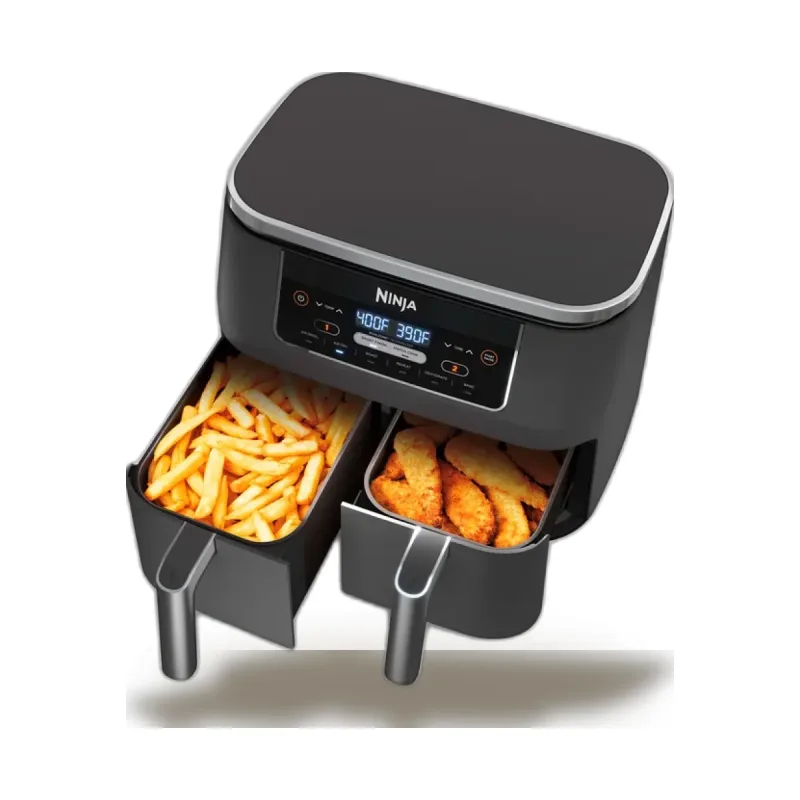
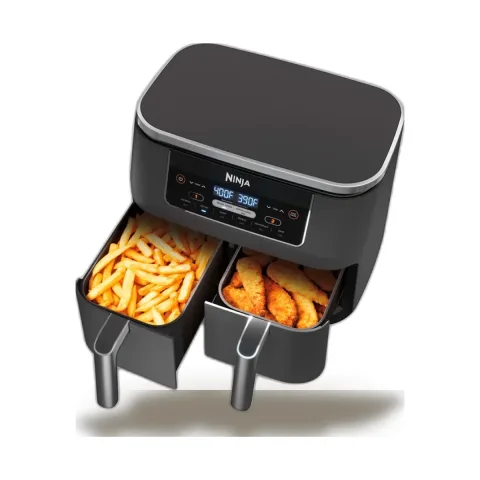
- 8 qt in two zones
- Two independent baskets
- 450°F max temperature
- Dishwasher-safe baskets
7.8
Best for: households cooking a main and a side at the same time
Paid link. We may earn a commission.
Spec-first air fryers
Ten air fryers compared on capacity, cooking zones, top heat, coating, viewing window and cleanup — with the scoring math published in full, so you can check every number yourself.
Paid link. We may earn a commission.
Start here
Every product sits in exactly one category — comparison stays inside the category, so a pick is never benchmarked against a different kind of product.
Ranked
The three highest Spec scores across the whole set — from listing specifications, calculated in the open.
#1 pick overallOur top pickBest for: households cooking a main and a side at the same time
Paid link. We may earn a commission.
 #2 pick overallBest compact pick
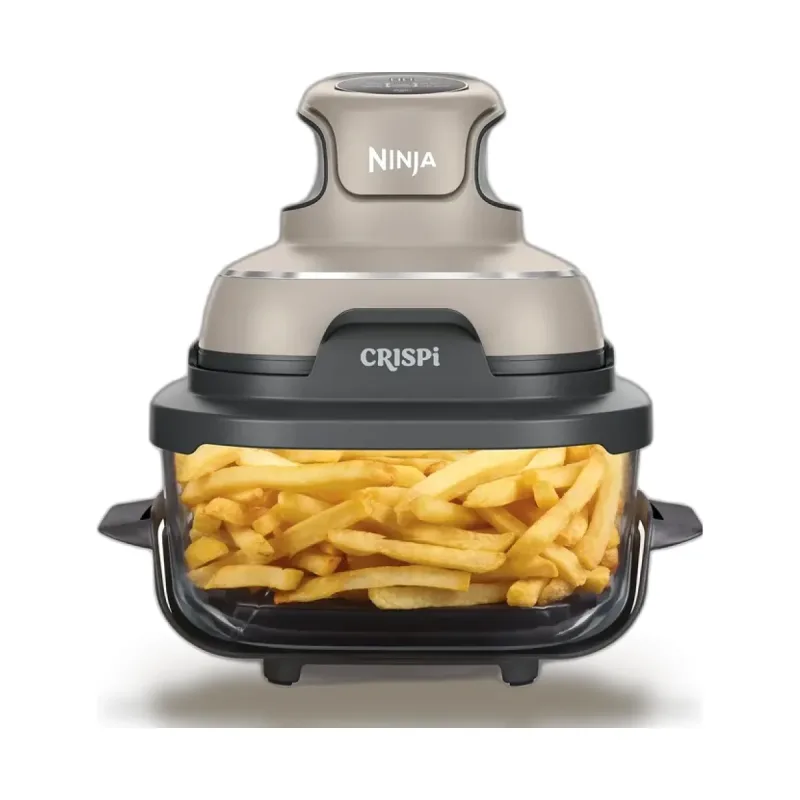
Best for: one or two servings, cooked and served in the same glass container
Paid link. We may earn a commission.
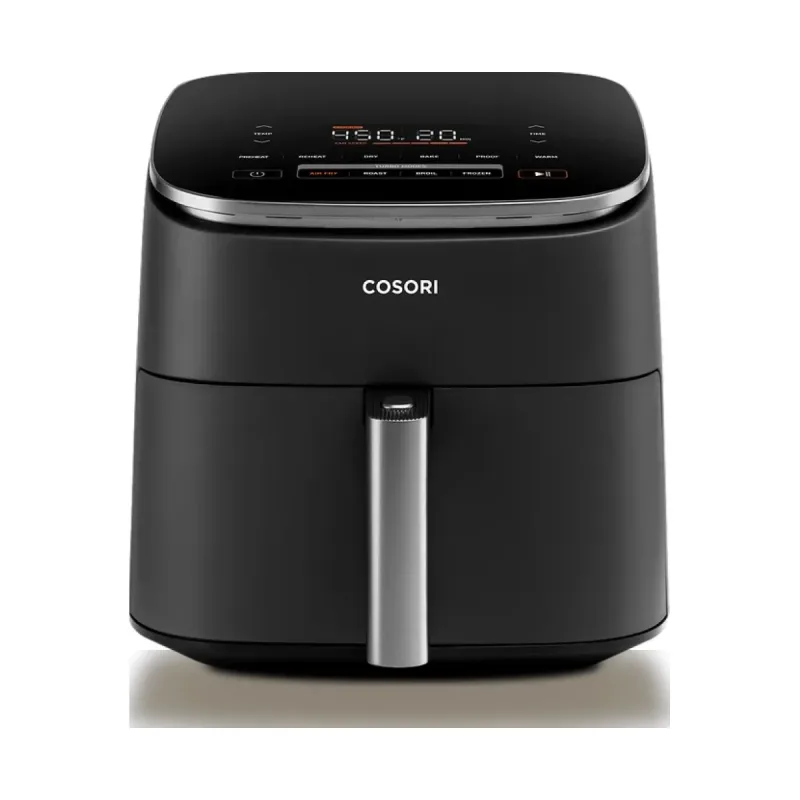 #3 pick overallBest upgrade
Best for: an upgrade to a faster basket with a PFAS-free ceramic surface
Paid link. We may earn a commission.
Method
Capacity, wattage, temperature range, coating and cleanup claims come from the manufacturer page for each model — never from a marketplace headline.
 See the top pick
Every model in a category is scored on the same six criteria with the same weights. The full math sits on the How we score page.
 How we score
Every review opens with the quick verdict — best for, skip if, and the score — so a mismatch costs you ten seconds, not a return.
 See a review
Head to head
Same category, same criteria — the full criteria table and the short version of who should pick which.
Best for an upgrade to a faster basket with a PFAS-free ceramic surface
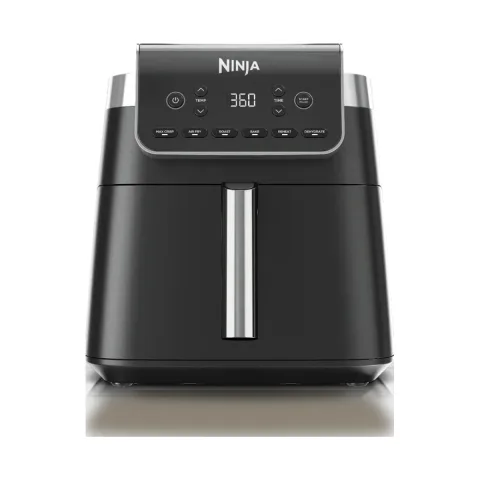
Best for families who want the biggest single Ninja basket and 450°F heat
Quick guides
Two independent baskets in one body: two foods, two ways, finishing together — for households that cook a main and a side at once.
Read the guideThe standard drawer format, 4 to 6.6 quarts: one basket, the widest choice, and cleanup claims that are easy to compare side by side.
Read the guideA countertop-oven body with a window, a light and a rotisserie — for people replacing a small oven, not just frying.
Read the guideGlass containers and a compact footprint for one or two servings — cooking you can watch, in a system that stores away easily.
Read the guideGood questions
The honest difference is the surface material. In this lineup the Cosori TurboBlaze states a PFAS-free ceramic coating, the Ninja Crispi removes coating from the equation entirely by cooking in glass, and the rest use classic nonstick. We score exactly what each maker publishes about its coating — we do not make health claims the spec sheets do not support.
They can be: the Ninja DZ201 cooks a protein in one 4 qt basket and a side in the other, at different temperatures, and syncs the finish. If most of your meals are a single dish, one 6 qt basket gives you more usable room per batch — that is why the dual-basket model is scored in its own category here.
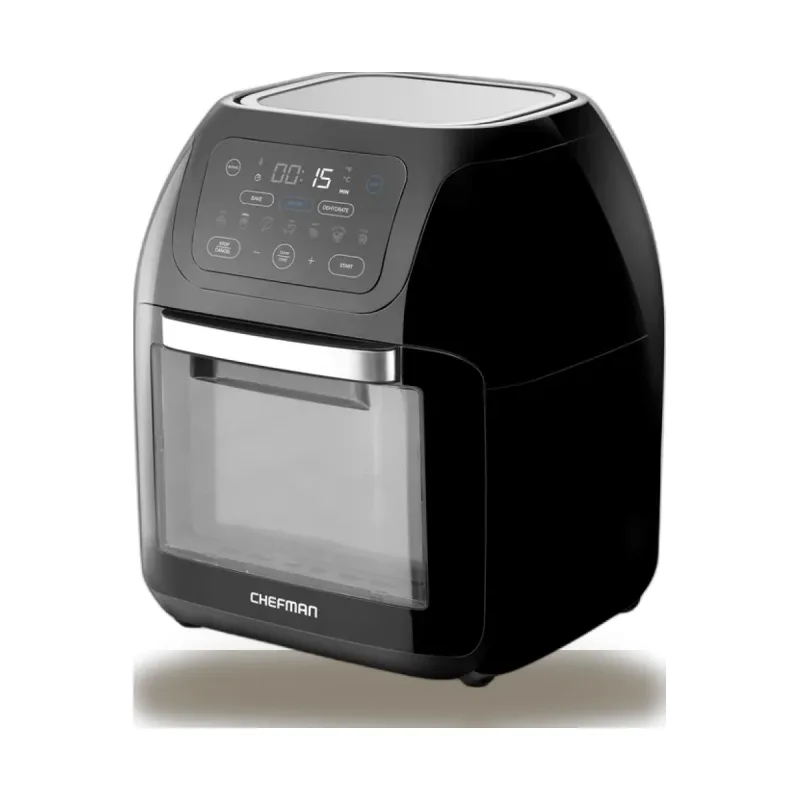
It depends on the format. The oven-style Chefman takes a chicken of about 5 lb on its rotisserie spit; the 6 qt Instant Vortex Plus is rated by Instant for a 4 lb chicken; the DZ201 total of 8 qt splits into two 4 qt baskets that are too narrow for a whole bird. Per-basket size, not the headline number, decides it.
Format, mostly. The Chefman in this lineup is an oven with racks, a window and a rotisserie, topping out at 400°F. The Ninja models are baskets: the DZ201 splits into two zones, and the AF181 adds a 450°F MaxCrisp mode. Choose the oven for roasts and rotisserie, a Ninja basket for fries, wings and frozen food.
Each model is scored inside its own category on six criteria — capacity, cooking zones, max temperature, basket coating, viewing window and cleanup — using only values from the official spec sheet. The weights and every per-model value are published on the How we score page, so you can redo the arithmetic yourself.
No — and we would rather say so plainly. These are research-based comparisons: every claim traces to the manufacturer page or official listing for that model, and the sources are recorded for each product. When a figure only exists as a brand claim, the review says “per the maker”.
The editor